
Arthritis can make ordinary activities—walking the stairs, opening a jar, getting out of a chair or keeping up with family—feel much harder than they should. It can also create an understandable concern: If movement hurts, am I damaging the joint by continuing to use it?
For most people with arthritis, the answer is reassuring. Appropriate movement is not something to fear. In fact, exercise and education are central parts of arthritis management. The key is choosing the right type, amount and progression for your joint, health history and goals.
Below, our Hamilton rehabilitation team answers some of the most common questions people ask about arthritis and physiotherapy.
Can physiotherapy help arthritis pain?
Yes. Physiotherapy cannot remove arthritis or regrow lost cartilage, but it can often reduce pain, improve mobility and make daily activities easier.
Arthritis pain is influenced by more than the appearance of a joint on an X-ray. Muscle strength, joint stiffness, sleep, activity levels, previous injuries, general health and confidence in movement can all affect how a joint feels and functions. This helps explain why two people with similar imaging results may have very different symptoms.
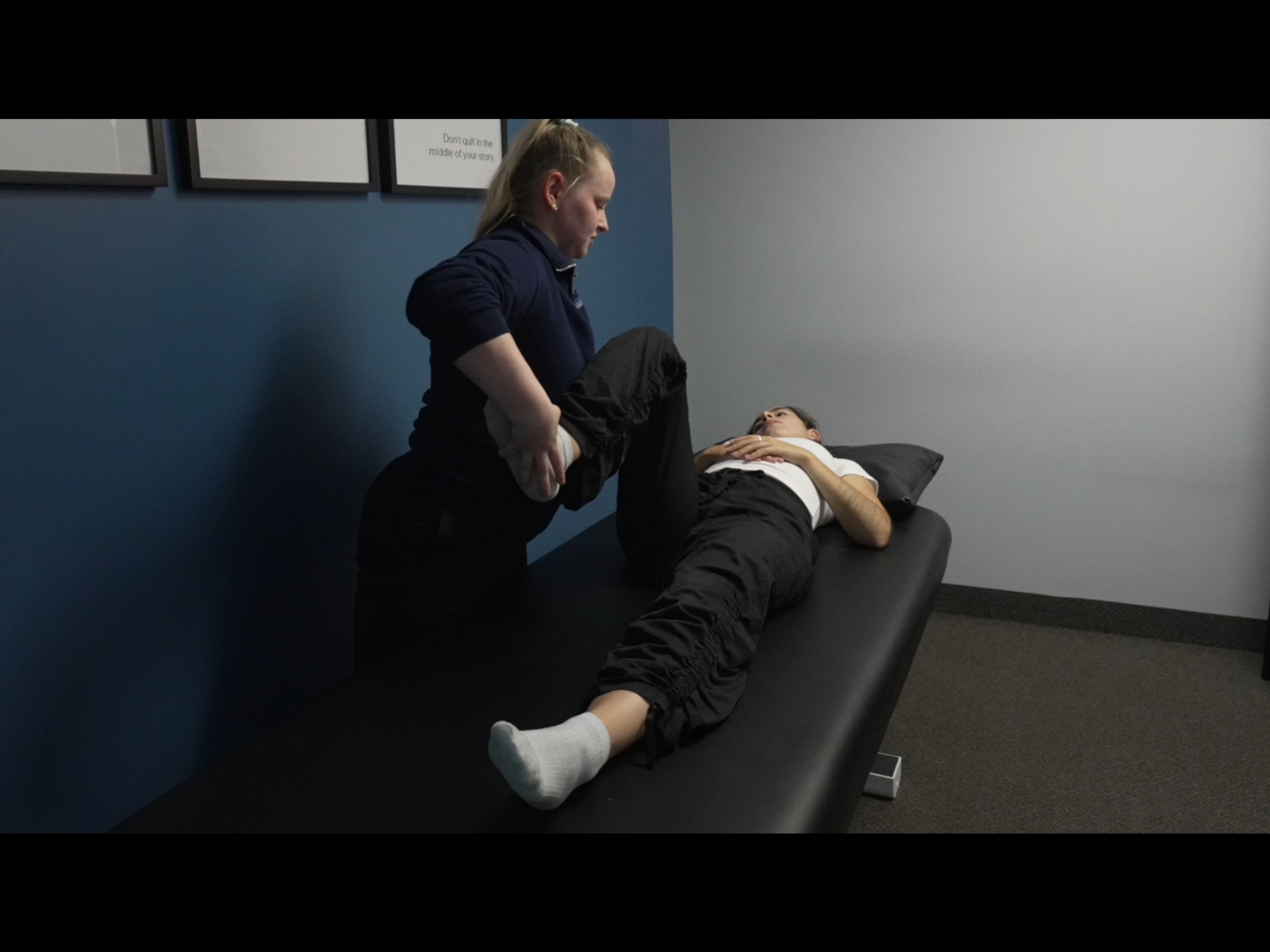
A physiotherapist looks at the whole picture. Depending on your needs, treatment may include:
● An assessment of joint mobility, strength, balance and movement patterns
● A gradual strengthening and mobility program
● Advice on pacing, flare-up management and modifying activities
● Hands-on treatment when it helps reduce symptoms or improve movement
● Walking, stair or balance retraining
● Guidance about a cane, brace or other supportive device when appropriate
● A plan for returning to work, recreation or exercise
The updated 2026 American College of Rheumatology osteoarthritis guidance strongly recommends exercise for knee and hip osteoarthritis. It also advises referral to physiotherapy when pain, fatigue or loss of function makes exercise or daily activity difficult.
What is the best treatment for arthritis?
There is no single treatment that is best for every person or every type of arthritis. A good plan starts by identifying the type of arthritis, the affected joints, the severity of symptoms and what the person needs to be able to do.
For osteoarthritis, care commonly combines education, exercise, activity modification and, when appropriate, weight management, medication, bracing or injections. Surgery may be considered when symptoms remain severe and substantially limit quality of life despite appropriate non-surgical care.
Inflammatory conditions such as rheumatoid arthritis, psoriatic arthritis and gout are different from osteoarthritis. They require medical assessment and may need medication to control the underlying disease. Physiotherapy can still help maintain strength, mobility and function, but it should complement—not replace—medical care.
The best approach is usually not one passive treatment. It is a personalized plan that gives you practical ways to manage symptoms and remain active over time.
What exercises are best for arthritis?
The most useful program usually combines several types of movement:
1. Strengthening exercises help the muscles around an affected joint support everyday movement. Examples may include sit-to-stands, step-ups, bridges, calf raises or resistance-band exercises.
2. Mobility exercises help maintain comfortable joint motion and reduce stiffness. These should be gentle and controlled rather than forced.
3. Aerobic activity supports endurance, cardiovascular health and overall function. Walking, cycling, swimming and water exercise are common options.
4. Balance exercises may be important when lower-limb arthritis, weakness or fear of falling affects confidence.
The best exercise is not necessarily the most advanced one. It is the exercise you can perform safely, progress gradually and continue consistently. A program should be challenging enough to create improvement without repeatedly causing large, lasting symptom flare-ups.
Should I exercise during an arthritis flare-up?
Often, yes—but the session may need to be adjusted.
During a mild flare, completely stopping activity can increase stiffness and make it harder to resume your routine. Consider reducing resistance, range of motion, speed or total exercise time. Gentle mobility exercises, a shorter walk or low-impact cycling may be better tolerated than a demanding strength session.
Pay attention to both the intensity and duration of your response. Mild, temporary discomfort during or after exercise does not automatically mean harm. However, if pain or swelling increases substantially, changes the way you move, or remains notably worse the next day, the activity may need to be reduced or modified.
Sudden severe pain, a hot and significantly swollen joint, fever, an inability to bear weight, or symptoms following a significant injury should be medically assessed rather than treated as a routine flare-up.
Can physiotherapy prevent arthritis from getting worse?
Physiotherapy cannot guarantee that structural joint changes will stop. It can, however, address many of the factors that determine how arthritis affects your life.
Improving strength, mobility, balance, activity tolerance and movement confidence can help you stay active and independent. Physiotherapists can also help manage load, identify realistic exercise progressions and reduce the cycle of pain, inactivity and deconditioning.
This distinction matters: a joint can show age- or arthritis-related changes while a person’s pain and function still improve. The goal is not simply to “fix” an image. It is to help you move more comfortably and do more of what matters to you.
Is walking good for knee or hip arthritis?
Walking is often an excellent activity for knee or hip arthritis. It is accessible, supports cardiovascular health and helps maintain capacity for daily life. The right starting amount is individual.
If a long walk causes a flare, try shorter walks more frequently, choose a flatter route, slow the pace or alternate walking with another activity such as cycling. Supportive footwear or a properly fitted cane may help some people. A physiotherapist can also assess whether weakness, balance, joint mobility or walking mechanics are contributing to your symptoms.
You do not need to reach a particular step count immediately. Start with an amount you tolerate and build gradually.
Does physiotherapy help “bone-on-bone” arthritis?
It can. “Bone-on-bone” is an informal description often used for advanced loss of joint space on an X-ray. It does not tell us, by itself, exactly how much pain a person should have or how well they can function.
Physiotherapy cannot reverse advanced cartilage loss. It may still improve leg or arm strength, movement, balance, walking tolerance and confidence. It can also help someone prepare for joint replacement or rehabilitate afterward if surgery becomes the right choice.
Severe imaging findings do not automatically mean exercise is pointless. They do mean the program may require closer attention to dosage, symptom response and realistic goals. If pain remains severe despite an appropriate trial of conservative care, discussing other options with a family physician, nurse practitioner or specialist is appropriate.
When should arthritis pain be assessed?
Consider an assessment when joint pain or stiffness:
● Persists or repeatedly returns
● Limits walking, stairs, work, sleep, exercise or household tasks
● Causes you to avoid activities you value
● Is accompanied by weakness, reduced balance or loss of motion
● Has not improved with your usual self-management strategies
● Makes you unsure about which exercises are safe
Seek prompt medical attention for a joint that becomes suddenly hot, red and very swollen; fever or illness with new joint pain; an inability to bear weight; major trauma; or rapidly worsening symptoms. Prolonged morning stiffness, swelling in several joints or other systemic symptoms should also be discussed with a medical provider because they may suggest inflammatory arthritis or another condition requiring investigation.
Is physiotherapy for arthritis covered by insurance in Ontario?
Many extended health benefit plans include physiotherapy, but the amount of coverage and the need for a physician’s referral vary by policy. In Ontario, you generally do not need a referral to be assessed by a physiotherapist, although your insurer may require one for reimbursement.
Before booking, check your plan’s annual maximum, per-visit limit and referral requirements. Restorative Touch Physiotherapy offers direct billing to many major insurers when permitted by the plan. Coverage is determined by your insurer and is not guaranteed by the clinic.
Arthritis physiotherapy in Hamilton: what should you expect?
An initial assessment should be about more than identifying a painful joint. Your physiotherapist will ask how the problem affects your day, examine relevant movement and strength, and discuss goals that are meaningful to you—whether that is walking the Mountain stairs, gardening, returning to the gym or simply getting through a workday more comfortably.
From there, you should receive a plan that explains what you can do now, how to respond to flare-ups and how treatment will progress. The aim is to make you less dependent on treatment over time by giving you the knowledge and capacity to manage your condition.
If arthritis pain or stiffness is limiting your movement, learn more about our physiotherapy and rehabilitation services in Hamilton. Restorative Touch Physiotherapy provides individualized assessment, education and exercise-based rehabilitation from our Hamilton Mountain clinic.
This article provides general education and is not a substitute for an individual medical assessment. Recommendations may differ for inflammatory arthritis, recent injury, surgery or other health conditions.
Sources
● American College of Rheumatology: 2026 Osteoarthritis Guideline
● National Institute for Health and Care Excellence: Osteoarthritis—Diagnosis and Management