
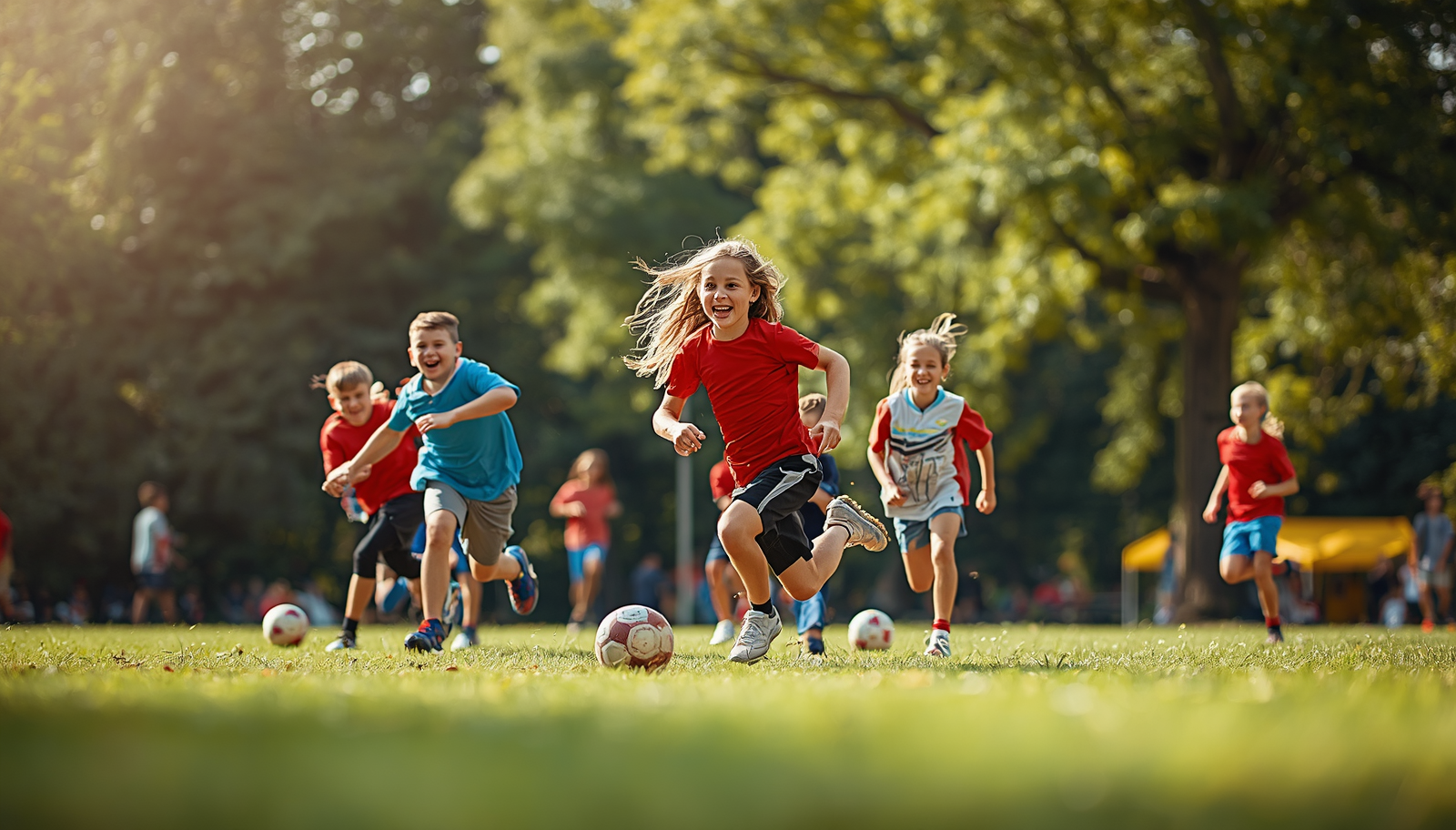
Youth sports are a huge part of life for many families across Hamilton.
Whether it’s early morning hockey practices, summer baseball tournaments, soccer games on the Mountain, dance competitions, martial arts training, volleyball, basketball, or track and field, young athletes often spend countless hours training, competing, and pushing themselves physically.
Sports can build confidence, discipline, friendships, resilience, and lifelong healthy habits. But with growing participation and increasing competitive demands also comes a higher risk of injury.
One of the biggest challenges young athletes face today is not simply getting injured — it is returning too quickly before the body is fully ready.
Across Hamilton, many athletes feel pressure to get back on the ice, field, mat, or court as soon as possible. Parents, coaches, teammates, schedules, tournaments, and fear of falling behind can all contribute to rushing recovery.
Unfortunately, returning too soon may increase the risk of:
- re-injury
- chronic pain
- reduced performance
- compensation injuries
- prolonged recovery
- long-term movement issues
Proper recovery is not about doing nothing forever.
It is about following the right progression at the right time.
Injuries Are More Than Just Pain
One of the most common misconceptions in youth sports is assuming an athlete is “fine” simply because pain has decreased.
Pain is only one part of recovery.
After an injury, athletes may still experience:
- weakness
- poor balance
- reduced coordination
- decreased confidence
- limited mobility
- altered movement patterns
- reduced endurance
- slower reaction time
Even small deficits can increase injury risk when athletes return to high-speed sport environments.
For example, an athlete recovering from an ankle sprain may no longer feel pain walking, but still lack proper balance and landing control during cutting, jumping, or rapid direction changes.
Research in sports medicine consistently supports the importance of restoring:
- strength
- movement quality
- neuromuscular control
- sport-specific function
before full return to competition.
Why Strength Matters for Young Athletes
Many people think strength training is only for older athletes or elite competitors.
In reality, properly supervised strength training is one of the most evidence-supported ways to help young athletes improve resilience and reduce injury risk.
Research has shown that youth strength and neuromuscular training programs can help:
- reduce lower extremity injuries
- improve coordination
- improve landing mechanics
- improve athletic performance
- improve body control
- decrease ACL injury risk
This is especially important in sports involving:
- jumping
- cutting
- sprinting
- rapid changes in direction
- repetitive impact
such as soccer, basketball, volleyball, hockey, and dance.
Strength training for young athletes should focus on:
- movement quality
- technique
- control
- gradual progression
- age-appropriate loading
not simply lifting heavier weights.
Exercises such as:
- squats
- lunges
- single-leg balance
- landing drills
- core strengthening
- hip strengthening
- rotational control exercises
can help improve movement efficiency and physical resilience over time.
Movement Quality Matters
One area often overlooked in youth sport is movement quality.
Young athletes may be highly skilled but still move inefficiently under fatigue, stress, or speed.
Poor landing mechanics, knee collapse during cutting, lack of hip control, or reduced trunk stability can all increase injury risk over time.
Research surrounding ACL prevention programs has shown that improving neuromuscular control and movement mechanics can significantly reduce injury rates in young athletes.
This is why rehabilitation should involve more than simply “resting until it feels better.”
A proper rehab progression may include:
- restoring mobility
- rebuilding strength
- improving balance
- retraining jumping and landing
- improving cutting mechanics
- gradually increasing sport demands
- building confidence again
Recovery should prepare athletes not just for participation — but for the actual demands of their sport.
Understanding Concussions in Youth Sports
Concussions continue to be an important issue in hockey, soccer, football, martial arts, and many other youth sports.
One of the biggest misconceptions about concussions is that complete prolonged rest in a dark room is the best solution.
Current concussion research now supports a more individualized and gradual approach.
While athletes do need initial recovery time, evidence suggests that appropriately guided gradual return to activity may support recovery better than prolonged complete inactivity.
Concussion symptoms may include:
- headaches
- dizziness
- nausea
- light sensitivity
- balance problems
- difficulty concentrating
- irritability
- fatigue
- visual disturbances
Importantly, symptoms do not always appear immediately.
This is why proper assessment matters.
A graded return-to-sport process is now considered best practice and typically progresses through stages including:
- symptom-limited activity
- light aerobic exercise
- sport-specific movement
- non-contact training
- full-contact practice
- return to competition
Each athlete progresses differently.
Rushing this process may increase symptom recurrence and prolong recovery.
Recovery Is Part of Development
One of the healthiest mindset shifts for young athletes is understanding that recovery is not weakness.
Recovery is part of performance.
Sleep, nutrition, hydration, stress management, workload monitoring, and proper rehabilitation all influence athletic development.
Young athletes today often play multiple sports, train year-round, attend camps, and compete at increasingly high levels from a young age. While activity is beneficial, excessive training without proper recovery can increase the risk of overuse injuries and burnout.
Common overuse injuries in youth athletes include:
- patellar tendon pain
- Osgood-Schlatter disease
- shin splints
- shoulder overuse injuries
- stress reactions
- hip pain
Monitoring training load and allowing appropriate recovery periods are extremely important for long-term athletic development.
Supporting Hamilton’s Young Athletes
At Restorative Touch Physiotherapy, we work with many young athletes across Hamilton and the East Mountain community participating in hockey, soccer, baseball, dance, martial arts, volleyball, basketball, and other sports.
Our goal is not simply to help athletes return quickly.
Our goal is to help them return safely, confidently, and fully prepared for the demands of their sport.
Whether an athlete is recovering from:
- a sprain
- muscle strain
- overuse injury
- knee pain
- concussion
- shoulder injury
- hip pain
- recurring sports injuries
we focus on evidence-based rehabilitation, movement quality, strength, education, and gradual return-to-sport progression.
A proper assessment helps avoid rushing back too soon.
If your child or athlete is dealing with an injury, recurring pain, or concussion symptoms, our team is here to help guide recovery and support a safe return to the activities they love.