
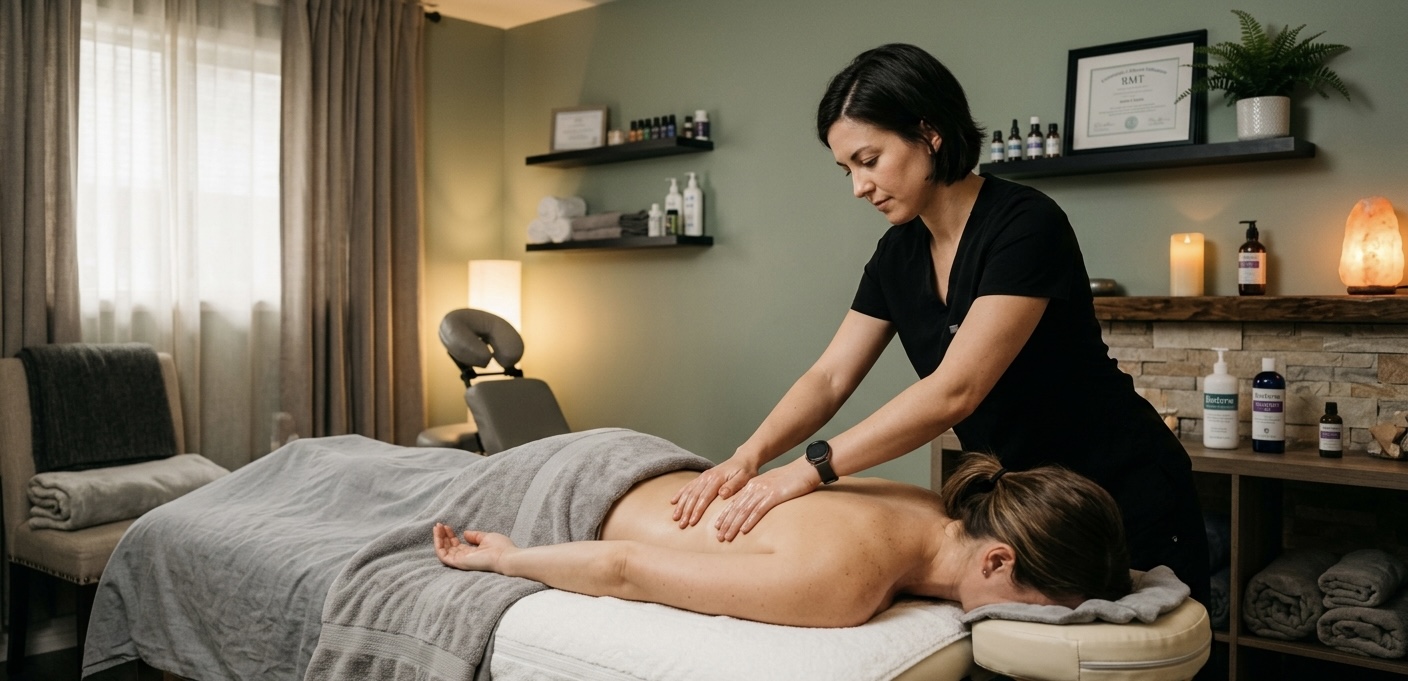
It’s not uncommon to feel a little sore after a massage therapy appointment. While massage can help reduce muscle tension, improve circulation, and promote relaxation, some people experience temporary tenderness or muscle soreness afterward—especially following a deeper or more intensive treatment.
The good news? There are several simple things you can do to help reduce post-massage soreness and support your body’s recovery.
Why Are You Sore After a Massage?
Massage therapy works on the muscles and surrounding soft tissues, which can sometimes leave the area feeling tender afterward. This is particularly common after a deep tissue massage, sports massage, or treatment targeting areas with significant muscle tension.
Post-massage soreness can feel similar to the muscle soreness you experience after exercise. It typically improves within 24–48 hours.
However, significant pain, swelling, bruising, numbness, or symptoms that continue to worsen are not considered typical and should be discussed with your healthcare provider or massage therapist.
1. Drink Plenty of Water
One of the easiest ways to support your recovery after massage therapy is to stay hydrated.
Your body relies on adequate fluid intake for normal muscle function and recovery. Drinking water throughout the day can help you maintain hydration, particularly if you were already dehydrated before your appointment.
You don’t need to force yourself to drink excessive amounts of water after a massage. Instead, focus on regular hydration throughout the day.
Tip: Have a glass of water before and after your massage and continue drinking fluids normally afterward.
2. Take a Warm Shower or Bath
Heat can be a great way to help your muscles relax after massage therapy.
A warm shower or bath may help reduce the feeling of muscle tightness and make it more comfortable to move around. Some people also enjoy adding Epsom salts to a bath, although the evidence that Epsom salts themselves provide additional recovery benefits is limited.
The key benefit is often the warmth and relaxation.
3. Keep Moving
It may be tempting to spend the rest of the day completely resting after a massage, but gentle movement can actually help you feel better.
Try taking a short walk or performing some easy mobility exercises. Light movement can help prevent you from becoming stiff and can keep your muscles moving without placing excessive stress on them.
You don’t need to complete an intense workout. Think easy movement rather than exercise.
4. Avoid an Intense Workout Immediately After Your Massage
If you’ve had a particularly deep or intense massage, your muscles may benefit from some recovery time.
Consider avoiding heavy strength training, intense running, or high-intensity exercise immediately following your appointment—particularly if the massage targeted muscles that you plan to train.
If you do exercise, keep the intensity lower than usual and pay attention to how your body feels.
Your massage therapist can also provide guidance based on the type of treatment you received and your training schedule.
5. Use Gentle Stretching
Gentle stretching can help maintain mobility and reduce the sensation of stiffness following massage therapy.
Focus on comfortable, relaxed movements rather than aggressive stretching. You should never force a stretch into pain.
Try holding gentle stretches for approximately 15–30 seconds and breathing normally throughout.
If a particular stretch makes your symptoms worse, stop and speak with your massage therapist or another healthcare professional.
6. Get a Good Night’s Sleep
Don’t underestimate the importance of sleep when it comes to recovery.
Your body performs many important recovery processes while you’re sleeping. Getting a good night’s rest after your massage can help you feel refreshed and may reduce the sensation of muscle soreness the following day.
If possible, try to maintain your normal sleep schedule and give yourself enough time for a full night’s sleep.
7. Eat a Balanced Meal
Massage therapy isn’t a substitute for proper nutrition, and you don’t need a special “post-massage diet.”
However, eating a balanced meal containing protein, carbohydrates, healthy fats, fruits, and vegetables provides your body with the nutrients it needs to support normal muscle function and recovery.
If you had your massage after exercising, having a nutritious meal or snack afterward can also help support your overall recovery.
8. Communicate With Your Massage Therapist
One of the most important things you can do is communicate with your massage therapist.
If the pressure during your massage was too intense, let your therapist know. Massage therapy should be tailored to your individual needs, tolerance, goals, and medical history.
More pressure doesn’t necessarily mean a better massage.
At your next appointment, tell your therapist how you felt after the previous treatment. They can adjust the pressure, techniques, treatment duration, and areas treated accordingly.
9. Give Your Body Time to Recover
Sometimes, the best thing you can do after a massage is simply give your body some time.
Mild soreness or tenderness following treatment is generally temporary. For many people, it improves within a day or two.
If you’re consistently experiencing significant soreness after every massage, however, that’s worth discussing with your therapist. Your treatment may need to be modified.
When Should You Be Concerned About Pain After a Massage?
Mild muscle tenderness can be normal following massage therapy, particularly after deeper treatment.
However, contact a healthcare professional if you experience symptoms such as:
- Severe or worsening pain
- Significant swelling
- Extensive or unexplained bruising
- Numbness or tingling
- Weakness
- Significant loss of movement
- Symptoms that aren’t improving after several days
If you experience an emergency or severe symptoms, seek appropriate medical care rather than assuming they are related to your massage.
How Long Does Soreness Last After a Massage?
For most people, mild post-massage soreness is temporary and improves within approximately 24–48 hours.
The duration can vary depending on several factors, including the type and intensity of massage, the areas treated, your activity level, and how your body responds to treatment.
If soreness lasts longer than expected or becomes progressively worse, speak with your massage therapist or healthcare provider.
The Bottom Line
Feeling slightly sore after massage therapy isn’t necessarily a bad thing, but you shouldn’t feel like you’ve been hit by a truck either!
Staying hydrated, getting adequate sleep, using gentle movement, avoiding excessive exercise, and communicating with your massage therapist can all help make your recovery more comfortable.
Most importantly, massage therapy should be individualized to you. If you’re regularly experiencing significant soreness following treatment, talk to your therapist so they can adjust your treatment approach.
Looking for Massage Therapy in Hamilton?
At Restorative Touch Physiotherapy, our massage therapists work with clients to develop treatment approaches based on their individual goals, activity levels, and needs.
Whether you’re dealing with muscle tension, recovering from physical activity, managing an injury, or simply looking to improve your overall mobility and well-being, massage therapy can be incorporated into a broader approach to your health and recovery.
Book a massage therapy appointment with Restorative Touch Physiotherapy in Hamilton and let our team help you feel your best.