
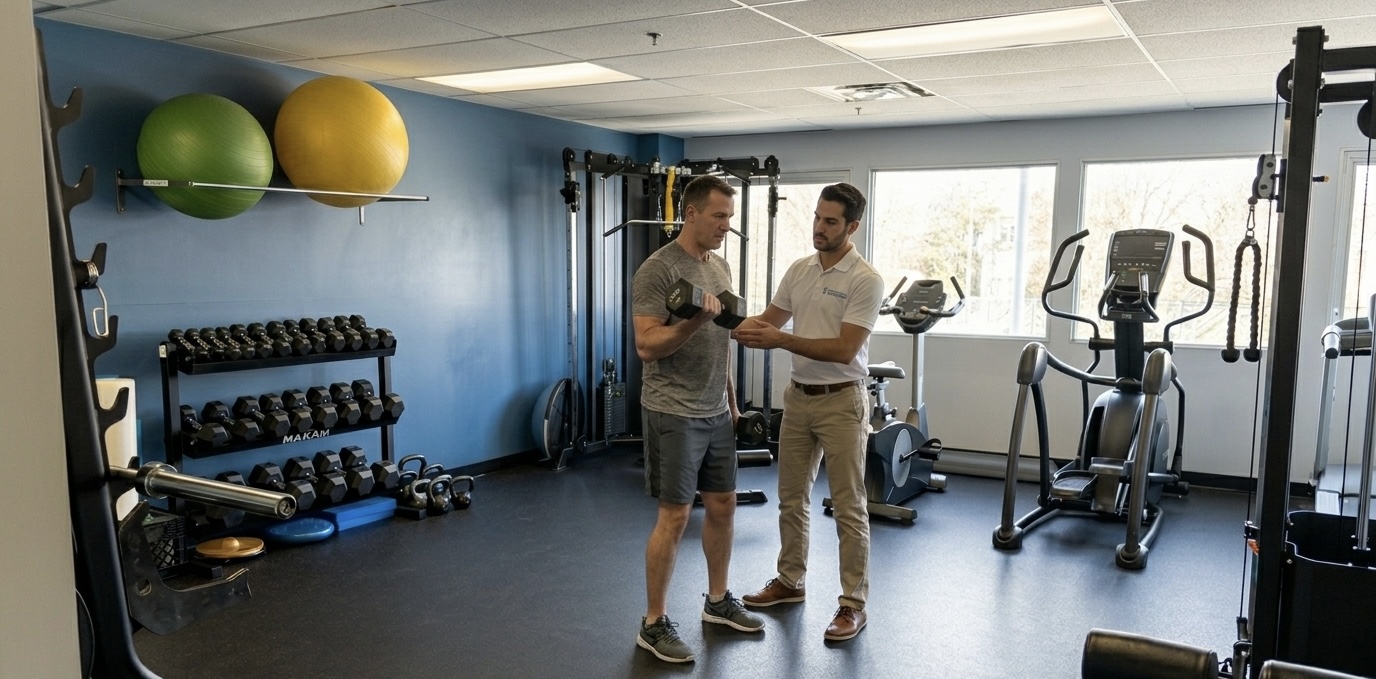
If you’re getting ready for your first physiotherapy appointment, you may be wondering:
What should I wear to physiotherapy?
The best choice is comfortable, loose-fitting or athletic clothing that allows you to move freely and gives your physiotherapist access to the area being assessed.
At Restorative Touch Physiotherapy on Hamilton Mountain, your appointment may involve movement testing, strength testing, mobility exercises and hands-on assessment. Wearing the right clothing can make it easier for your physiotherapist to properly assess how you move and develop a treatment plan around your needs.
What Should You Wear to Physiotherapy?
In most cases, think about what you would wear for a light workout.
Good options include:
- Athletic shorts
- Leggings or flexible pants
- A t-shirt
- A tank top
- Comfortable athletic clothing
- Supportive running or walking shoes
Try to avoid clothing that is extremely tight, restrictive or difficult to move in.
You do not need to buy special clothing for physiotherapy. The goal is simply to be comfortable and allow your physiotherapist to assess the body part you are coming in for.
What Should I Wear for a Lower-Body Injury?
If your appointment is for your:
- Knee
- Hip
- Thigh
- Hamstring
- Calf
- Ankle
- Foot
Shorts are usually the best option.
Shorts allow your physiotherapist to observe how the joints and muscles move while performing tests, exercises or functional movements.
For example, if you are coming in because of knee pain, your physiotherapist may want to assess your knee while you walk, squat, bend your leg or perform other movements.
If you are coming directly from work and cannot wear shorts, consider bringing a pair with you to change into.
What Should I Wear for Shoulder or Upper-Body Physiotherapy?
If you are being assessed for:
- Shoulder pain
- Rotator cuff injuries
- Elbow pain
- Tennis elbow
- Golfer’s elbow
- Arm injuries
- Upper-back pain
A t-shirt or tank top is usually a good choice.
A tank top can be particularly helpful for shoulder assessments because it allows your physiotherapist to more easily observe how your shoulder blade, shoulder and upper body move.
What Should I Wear for Back or Neck Pain?
For an appointment involving back pain or neck pain, wear comfortable clothing that allows you to bend, rotate and move without restriction.
Athletic shorts, leggings, a t-shirt or a tank top generally work well.
Your physiotherapist may assess more than the area that hurts. For example, someone experiencing lower-back pain may also have their hip movement, leg strength or walking mechanics assessed.
This is one reason comfortable clothing that allows you to move freely is helpful.
Should I Wear Running Shoes to Physiotherapy?
If possible, bring the footwear you normally use for the activity that is causing your symptoms.
That could include:
- Running shoes
- Walking shoes
- Work shoes
- Soccer cleats
- Court shoes
- Other athletic footwear
Your footwear can sometimes provide useful information, especially if your symptoms occur while walking, running, working or playing a sport.
For general appointments, comfortable running or athletic shoes are usually a good choice.
What Should I Avoid Wearing to Physiotherapy?
You may want to avoid:
Jeans: They can restrict hip and knee movement and make lower-body assessments more difficult.
Very tight clothing: Clothing that significantly limits movement can interfere with certain tests or exercises.
Dresses or skirts: These may not be practical if your physiotherapist needs you to perform exercises, squats, lunges or other movements.
Heavy or restrictive clothing: Multiple layers can make movement assessment more difficult.
If you have no choice but to come directly from work or another commitment, don’t worry. Bring comfortable clothing to change into if you can.
What Else Should I Bring to My First Physiotherapy Appointment?
Along with comfortable clothing, it can be helpful to bring information or items related to your injury.
Depending on your situation, consider bringing:
- Relevant imaging or medical reports
- A list of medications if appropriate
- A doctor’s referral if your insurance provider requires one
- Braces, orthotics or supports you currently use
- Shoes or equipment associated with your activity or sport
- Any questions you want to ask your physiotherapist
Most importantly, be ready to explain what you are having difficulty doing and what you would like to get back to doing.
Your rehabilitation should be built around your goals—not simply the name of your injury.
What Happens at Your First Physiotherapy Appointment?
Your first appointment typically gives your physiotherapist an opportunity to learn more about your symptoms, how they affect you and what you want to accomplish.
Your assessment may include looking at things such as:
- Range of motion
- Strength
- Mobility
- Balance
- Walking or running mechanics
- Functional movements
- Activities related to your job or sport
From there, your physiotherapist can discuss their findings and create an individualized rehabilitation plan.
Explore our Physiotherapy Services to learn more about physiotherapy and rehabilitation options available at Restorative Touch Physiotherapy.
You can also Meet Our Team to learn more about the practitioners at our Hamilton clinic and their individual areas of practice.
Frequently Asked Questions About What to Wear to Physiotherapy
Can I wear jeans to physiotherapy?
You can, but they are usually not the best choice—especially for a hip, knee or lower-body assessment. Shorts or flexible athletic pants generally allow for easier movement.
Should I wear shorts to physiotherapy?
For knee, hip, thigh, calf and many other lower-body injuries, shorts are often ideal because they allow your physiotherapist to observe and assess the affected area.
Do I need to wear workout clothes?
Not necessarily. You simply want clothing that is comfortable and allows you to move freely. Athletic clothing tends to work particularly well.
Do I need to change clothes for physiotherapy?
Not always. If the clothing you arrive in allows you to move comfortably and gives your physiotherapist appropriate access to the area being assessed, you may not need to change.
What if I’m not sure what to wear?
Give our team a call before your appointment. Tell us what area you are having assessed and we can recommend what clothing would be most appropriate.
Preparing for Physiotherapy in Hamilton
A little preparation can make your first physiotherapy appointment easier.
Wear comfortable clothing, bring any relevant information about your injury and think about the activities you would like to return to.
At Restorative Touch Physiotherapy on Hamilton Mountain, our goal is to understand not only where you are experiencing symptoms, but how they are affecting your movement, work, exercise, sport and everyday life.
Ready to get started?
Explore our Physiotherapy Services, Meet Our Team, or Contact Restorative Touch Physiotherapy to learn more or book an appointment.