
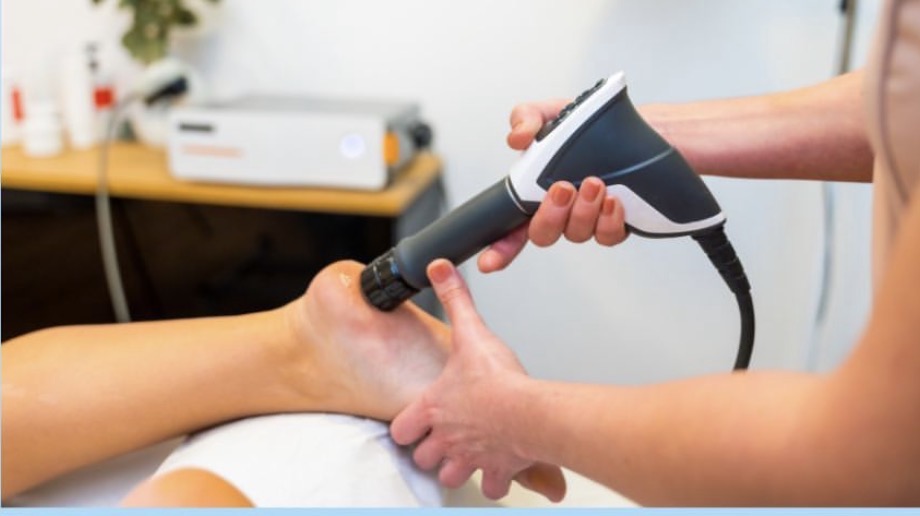
If you’re dealing with stubborn pain that just doesn’t seem to go away, you may have heard of shockwave therapy as a treatment option. Shockwave therapy is a non-invasive physiotherapy treatment that uses acoustic waves to target painful areas and stimulate the body’s natural healing processes.
At Restorative Touch Physiotherapy in Hamilton, shockwave therapy can be incorporated into a personalized rehabilitation program to help patients manage pain, improve function, and get back to the activities they enjoy.
What Is Shockwave Therapy?
Shockwave therapy, also known as extracorporeal shockwave therapy (ESWT), uses high-energy acoustic waves that are delivered into specific areas of the body.
Unlike what the name might suggest, shockwave therapy does not involve electrical shocks. Instead, a specialized device delivers mechanical sound waves through the skin and into the targeted tissues.
These waves can help stimulate a biological response in the treated area, making shockwave therapy a useful option for certain chronic tendon, muscle, and soft-tissue conditions.
How Does Shockwave Therapy Work?
When tissues become irritated or injured, the healing process can sometimes become slow or stalled, particularly with chronic tendon problems.
Shockwave therapy is thought to help by stimulating cellular activity and increasing local blood flow and tissue metabolism. It may also influence pain sensitivity and support the body’s natural repair processes.
Treatment is typically performed directly over the affected area. Your physiotherapist will identify the appropriate treatment location and adjust the intensity based on your condition and tolerance.
Shockwave therapy is generally performed as part of a broader rehabilitation program rather than as a standalone treatment.
What Conditions Can Shockwave Therapy Treat?
Shockwave therapy may be helpful for a variety of musculoskeletal conditions, particularly persistent tendon and soft-tissue problems.
Some common conditions treated with shockwave therapy include:
Plantar Fasciitis
Plantar fasciitis is a common cause of heel pain, particularly with the first few steps in the morning or after prolonged periods of sitting.
When symptoms persist despite conservative treatment, shockwave therapy may be considered as part of a comprehensive rehabilitation plan.
Achilles Tendinopathy
Achilles tendon pain can occur in runners, athletes, and active individuals. Shockwave therapy may be used alongside progressive strengthening and load management to help address persistent symptoms.
Tennis Elbow
Lateral elbow pain, commonly referred to as tennis elbow, can develop from repetitive gripping, lifting, or other activities that place stress on the forearm tendons.
Shockwave therapy may be one treatment option for people experiencing persistent symptoms.
Patellar Tendinopathy
Often called jumper’s knee, patellar tendinopathy affects the tendon connecting the kneecap to the shinbone. It is particularly common in sports involving jumping, sprinting, and rapid changes in direction.
Shockwave therapy can be combined with a structured strengthening program to address pain and improve tendon capacity.
Rotator Cuff Tendinopathy
Shoulder pain associated with rotator cuff tendinopathy can interfere with lifting, reaching, sleeping, and exercise. Depending on the individual’s condition, shockwave therapy may be incorporated into a broader physiotherapy program.
Other Chronic Tendon Problems
Shockwave therapy may also be considered for certain other persistent tendon and soft-tissue conditions. Your physiotherapist can determine whether it is appropriate based on your symptoms, medical history, and physical assessment.
What Does Shockwave Therapy Feel Like?
Shockwave therapy can feel intense, particularly when treating a sensitive or painful area. Most patients describe the sensation as a series of rapid tapping or pulsing sensations.
Your physiotherapist can adjust the treatment intensity to keep the session tolerable.
The goal isn’t necessarily to make the treatment completely painless, but it should remain within a manageable level of discomfort.
How Long Does a Shockwave Therapy Treatment Take?
A shockwave therapy session is usually relatively quick. The treatment itself may take approximately 5–15 minutes, depending on the area being treated and your individual treatment plan.
Your physiotherapist may also use the appointment for assessment, manual therapy, exercise prescription, education, or other rehabilitation strategies.
How Many Shockwave Therapy Treatments Will I Need?
The number of treatments depends on your condition, how long you’ve had symptoms, your activity level, and how your body responds to treatment.
A course of several treatments is commonly used rather than relying on a single session.
Importantly, shockwave therapy should generally be combined with appropriate rehabilitation exercises and load management. For tendon problems especially, progressively strengthening the affected tissue is an important part of long-term recovery.
Is Shockwave Therapy Safe?
Shockwave therapy is considered a non-invasive treatment and is generally well tolerated when appropriately administered.
Some people may experience temporary soreness, redness, bruising, or sensitivity in the treated area following treatment. These effects typically resolve relatively quickly.
However, shockwave therapy isn’t appropriate for everyone. A proper assessment is important before beginning treatment.
What Should I Do After Shockwave Therapy?
Your physiotherapist may provide specific recommendations based on your condition.
Depending on the area being treated, you may be advised to temporarily modify activities that significantly aggravate your symptoms.
It is also important to follow your prescribed exercise program. Shockwave therapy is most effective when it is incorporated into a broader rehabilitation strategy designed to improve strength, mobility, movement quality, and tissue capacity.
Shockwave Therapy vs. Traditional Physiotherapy
Shockwave therapy isn’t necessarily an alternative to physiotherapy — it can be one tool within a physiotherapy treatment plan.
For example, someone with Achilles tendinopathy may benefit from a combination of:
- Shockwave therapy
- Progressive calf strengthening
- Activity modification
- Load management
- Mobility exercises
- Movement retraining
- Education about tendon recovery
This combination allows treatment to address both the symptoms and the factors contributing to the problem.
When Should You Consider Shockwave Therapy?
Shockwave therapy may be worth considering if you’ve been experiencing persistent musculoskeletal pain and traditional treatment hasn’t provided the improvement you were hoping for.
It may be particularly useful for certain chronic tendon conditions such as plantar fasciitis, Achilles tendinopathy, tennis elbow, and patellar tendinopathy.
However, the right treatment depends on the underlying cause of your pain. That’s why an assessment with a physiotherapist is an important first step.
Shockwave Therapy in Hamilton
If you’re searching for shockwave therapy in Hamilton, Ontario, Restorative Touch Physiotherapy provides shockwave therapy as part of individualized rehabilitation programs.
Our physiotherapists can assess your injury, determine whether shockwave therapy is appropriate, and develop a treatment plan based on your goals and lifestyle.
Whether you’re dealing with persistent heel pain, tendon pain, a sports injury, or another musculoskeletal condition, our goal is to help you understand what’s causing your symptoms and develop a practical path toward recovery.
Ready to See If Shockwave Therapy Is Right for You?
Don’t let persistent pain keep you from working, exercising, or doing the activities you enjoy.
Book an assessment with Restorative Touch Physiotherapy in Hamilton to find out whether shockwave therapy could be appropriate for your condition.